
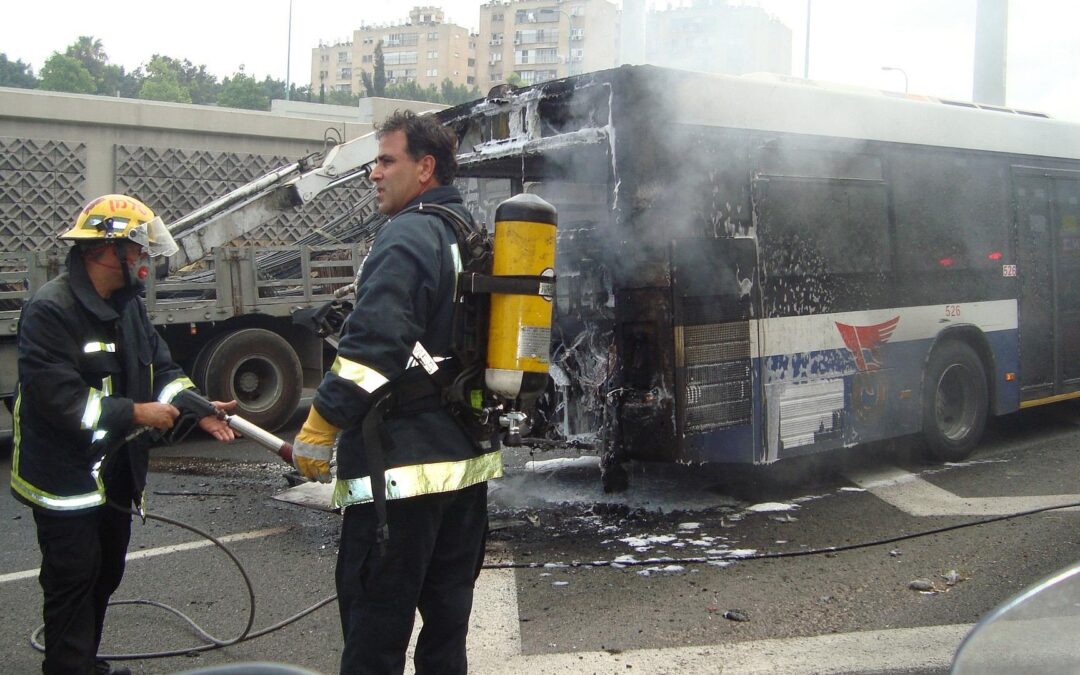
When Disaster Strikes: The People Behind the Restoration
Sometimes restoring a home means much more than repairing walls, floors, and ceilings. It means helping people find their next step after everything suddenly changes.
When a fire, flood, storm, mold problem, or other disaster strikes a home, most people are not prepared for what comes next. There are immediate questions, insurance concerns, damaged belongings, temporary housing, repairs, and an overwhelming amount of uncertainty.
That is where restoration professionals step in.
In Episode 201 of Brews & Banter, we sat down with Scott Colbert, owner of Paul Davis Restoration of North Country, New York, and Chris Angello, who works with the company in emergency response coordination and business development. Their conversation offered a behind-the-scenes look at what happens after disaster strikes—and, more importantly, the people who show up to help families begin putting their lives back together.
What Does a Disaster Restoration Company Actually Do?
For many people, restoration companies are something they only think about when they need one. Scott explained that Paul Davis Restoration specializes in dealing with situations involving fire, water, mold, storm damage, and other types of property damage.
But the work does not simply stop at removing damaged materials.
The team can be involved in emergency services, cleanup, reconstruction, and the handling of personal belongings. In some situations, household contents can be inventoried, cleaned, deodorized, and stored when they can be salvaged.
That means restoration can involve several stages—from the first response to preparing a damaged property for reconstruction and eventually helping the homeowner return.
From a Local Handyman to a Restoration Industry
The conversation also explored the history behind the Paul Davis name.
According to Scott, the company began in Jacksonville, Florida, in 1966. The original Paul Davis was a handyman and carpenter who was asked by an insurance agent to help a homeowner whose kitchen had suffered a fire.
That first restoration job eventually developed into a larger business model. The company later began franchising and became involved in developing systems, training, certifications, and approaches that influenced the restoration industry.
Today, the Paul Davis network has hundreds of locations across the United States and Canada, according to the discussion.
The story is a reminder that sometimes a business can begin with something very simple: seeing someone who needs help and being willing to step in.
What Happens After a Major Fire?
A major fire can leave a homeowner facing an enormous amount of uncertainty.
The damage may go far beyond what is immediately visible. Smoke, odors, damaged materials, structural concerns, and contaminated areas can all become part of the restoration process.
Scott described having separate emergency services and reconstruction teams. Depending on the size and circumstances of a project, additional work may also involve subcontractors.
One important part of the process is making sure a property is properly prepared before reconstruction begins.
That can mean removing damaged materials, checking structural components, cleaning and deodorizing the property, and making sure debris and other materials are removed.
The goal is not simply to make the property look clean.
It is to prepare the space so that the next stage of restoration can begin properly.
Restoration Is Also About What Can Be Saved
One of the more interesting parts of the conversation was the discussion about personal belongings.
When disaster strikes, homeowners are not only thinking about walls and construction materials. They are thinking about photographs, furniture, clothing, documents, keepsakes, and other possessions that may have emotional value.
Some items may be salvageable.
Restoration teams can sometimes inventory belongings, clean them, deodorize them, and store them while work continues on the property.
For a family that has just experienced a major loss, recovering even a few meaningful possessions can make a significant difference.
Chris Angello: Bringing a Different Perspective to Emergency Response
Chris Angello brings an unusual background to the restoration industry.
In addition to business development, Chris works as an Emergency Response Coordinator, responding to incidents and being present with families during difficult situations.
Before joining Paul Davis, Chris spent 14 years in nursing.
That experience has influenced the way he approaches emergency response. He explained that his role can involve arriving at a scene, helping people understand what happens next, and providing support during an extremely stressful situation.
His nursing background also gives him experience working with people during vulnerable moments.
And that matters because a property disaster is rarely just a property problem.
There are people standing in the middle of it.
The First Hours After a Disaster Can Be Overwhelming
Imagine going to bed in your own home and waking up hours later because of a fire.
Suddenly, you may be standing outside while firefighters work, trying to figure out where your family will stay, what belongings survived, what happens with insurance, and who you should call next.
Chris described how difficult those first hours can be for families.
People may be displaced and living in hotels or temporary housing while their homes are being restored. They may also be trying to process the emotional impact of losing possessions and the familiarity of their home.
That is why having someone there who can calmly explain the next steps can be so important.
“Welcome Back to Your Home”
One of the most powerful ideas from the conversation was the importance of eventually being able to tell a homeowner:
Welcome back to your home.
For a restoration professional, that moment can represent the end of a long process.
For the homeowner, it can mean something much bigger.
It can mean sleeping in their own bedroom again.
It can mean cooking in their own kitchen.
It can mean seeing familiar belongings again.
And it can mean finally feeling like life is beginning to return to normal.
That is one reason restoration work can be about much more than construction.
The People Who Work Behind the Scenes
The episode also highlighted another group of people who are often working behind the scenes during emergencies: firefighters.
Scott spoke about the respect he developed for firefighters through his work in restoration, particularly volunteer firefighters who respond to emergencies while balancing their regular jobs and personal lives.
The conversation touched on something simple that communities can do to support firefighters—being present, offering drinks, and showing appreciation.
Sometimes support does not have to be complicated.
A cold drink.
A sincere thank you.
A helping hand.
Those small gestures can remind people that their work matters.
Community Matters When Disaster Strikes
Throughout the conversation, one message continued to come through: community matters.
When something goes wrong, people often depend on other people.
Firefighters respond.
Restoration crews arrive.
Neighbors offer support.
Insurance professionals help navigate claims.
Contractors eventually rebuild.
Family and friends provide somewhere to stay or simply someone to talk to.
Each person plays a different role, but together they help a family move forward.
Doing the Right Thing When It Matters
Scott described a philosophy that guides his approach to the business: “When things go wrong, we do what’s right.”
That idea became one of the central themes of the conversation.
Disaster restoration can involve complicated decisions, tight timelines, damaged properties, insurance processes, and stressed homeowners. But underneath all of that is a simple responsibility—help people when they need help.
For the people working in restoration, the job may be technical.
For the homeowner, it can be deeply personal.
That difference is important.
More Than Restoring Buildings
The conversation with Scott and Chris showed that disaster restoration is about much more than removing damaged materials and rebuilding rooms.
It is about responding when someone does not know what to do next.
It is about helping protect what can be saved.
It is about coordinating the next steps.
It is about working with firefighters, contractors, insurance professionals, property owners, and other people involved in the recovery process.
And sometimes, it is simply about being there.
Because when a disaster happens, people do not just lose parts of a building.
They can lose a sense of security, normality, and control.
The people who respond have an opportunity to help restore those things too.
A Conversation About Service, Community, and Recovery
Episode 201 of Brews & Banter gave us an inside look at an industry many people may not think about until they desperately need it.
Scott Colbert and Chris Angello shared stories about restoration, emergency response, personal belongings, firefighters, community support, and the challenges families face after unexpected disasters.
But perhaps the biggest takeaway was simple:
When disaster strikes, the people who show up can make all the difference.
Restoration is not only about rebuilding what was damaged.
Sometimes, it is about helping people believe that they can move forward.
Learn More
Paul Davis Restoration of North Country:
https://north-country.pauldavis.com
Brews & Banter:
https://brewsnbanter.com